

In Pakistan, menstrual products had previously been subject to an 18% sales tax, and were classified as “luxury items,” and not essential goods, according to a report from NPR (1).
A UNICEF report on “period poverty” in Pakistan found that only about one in 10 women and girls use menstrual products (2). Period poverty “disproportionately affects girls and women from low-income and marginalized backgrounds,” the report says, and the “tampon tax” only exacerbated the cost issue.
Must Read
But activists have scored a big win in Pakistan, where the federal government is now removing the sales tax on menstrual products and contraceptives.
In the U.S., however, 18 states still fall behind — and people with periods in the U.S. are struggling to afford what many argue are basic necessities.
Raising awareness about the “tampon tax”
Bushra Mahnoor told NPR that growing up in Pakistan, she and her sisters would have to ration menstrual products (3). When they didn’t have enough, she would have to use a rag or a cloth, and worry about whether it would leak.
Mahnoor also told NPR that when she was a teen, she would often miss school when she had her period.
“When I knew I might not have a pad and I had to rely on a cloth, those were the times I could not even imagine going to the school,” Mahnoor, 25, told NPR.
The UNICEF report estimates that one in five girls in Pakistan “miss school because of their menstrual cycle, which adds up to missing a minimum one year’s worth of education.”
That’s why Mahnoor — the executive director at Mahwari Justice, a nonprofit that gathered more than 10,000 signatures on a petition to end the tax on menstrual products — was pushing for a change.
In September 2025, a lawsuit was launched by lawyers Mahnoor Omer and Ahsan Khan to stop the taxes on menstrual products, and have them reclassified as essential goods, NPR reported earlier this year (3).
Omer told NPR (1) that she was “very happy” with the news that the tax had been eliminated, but said there was more work to do, since other taxes, such as import duties, still remained, and can add as much as 20%.
She added that the financial barrier was not the only issue, as the stigma around menstruation also remains. Access still remains an issue, as well.
• Continuous Period Equity Wire
Curator’s Note & Original Source
Love Her Period Foundation curates and republishes verified reports, policy milestones, and field updates to elevate national awareness and community action. Read the full investigation and verified reporting directly on the original publisher’s platform.
Take Action in Washington State
Period poverty affects 1 in 4 students and unhoused individuals across the Pacific Northwest. Help us distribute 100% certified organic hygiene care kits directly to schools, shelters, and community hubs.
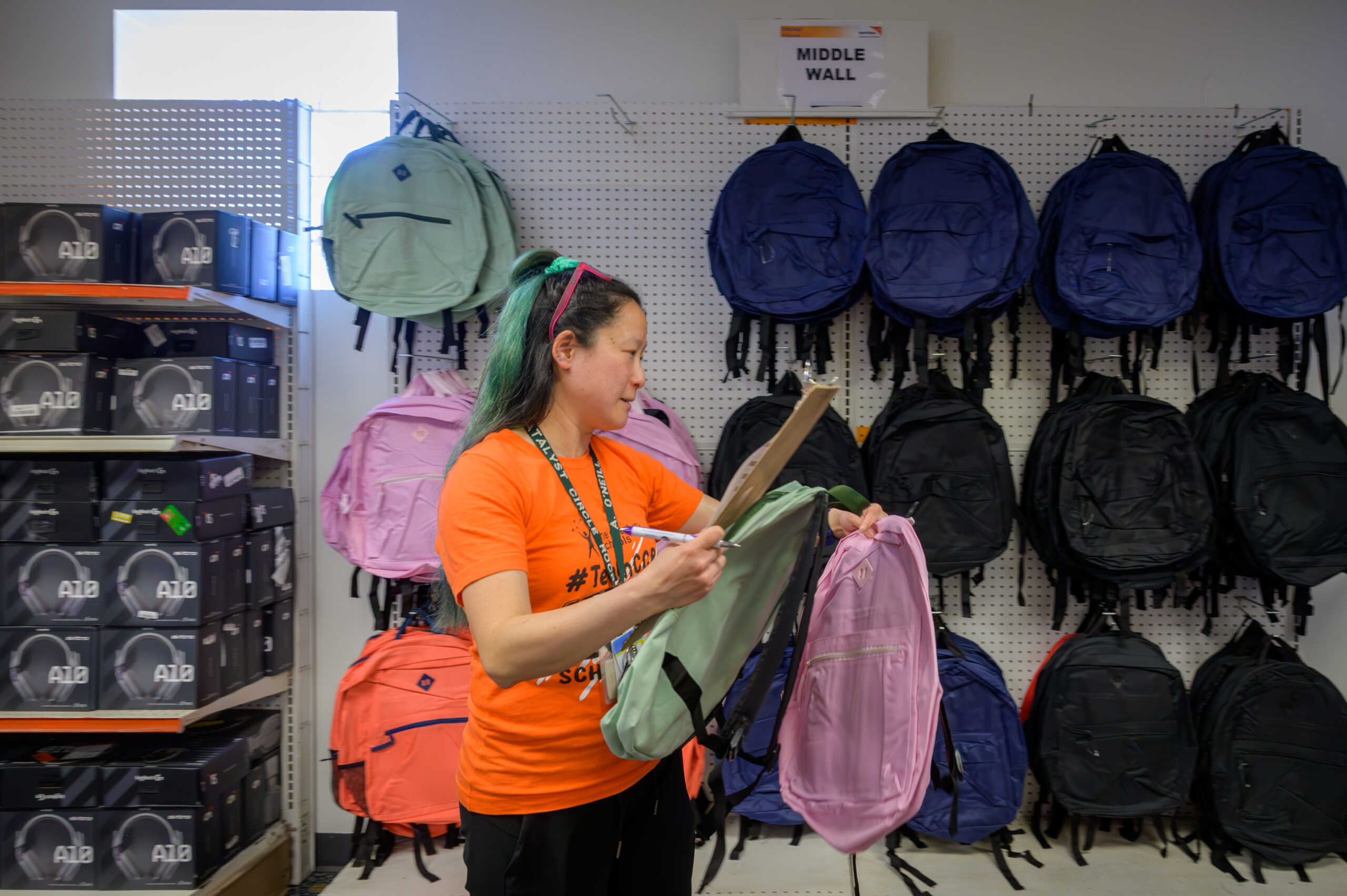
The Economic Ripple Effect of the ‘Tampon Tax’: Why Basic Biological Necessities Must Be Tax-Exempt
Eighteen US states still treat menstrual products as ‘luxury goods’ while exempting candy, Viagra, and golf club memberships. Here is the financial reality of the regressive tampon tax and the legal battle to end it.
Breaking the Classroom Attendance Gap: Data from Our Title I School Care Kit Pilot
One in four students nationwide report missing school due to lack of period products. Six-month actuarial and attendance data from our regional Title I school pilot demonstrates the transformative impact of shame-free access.
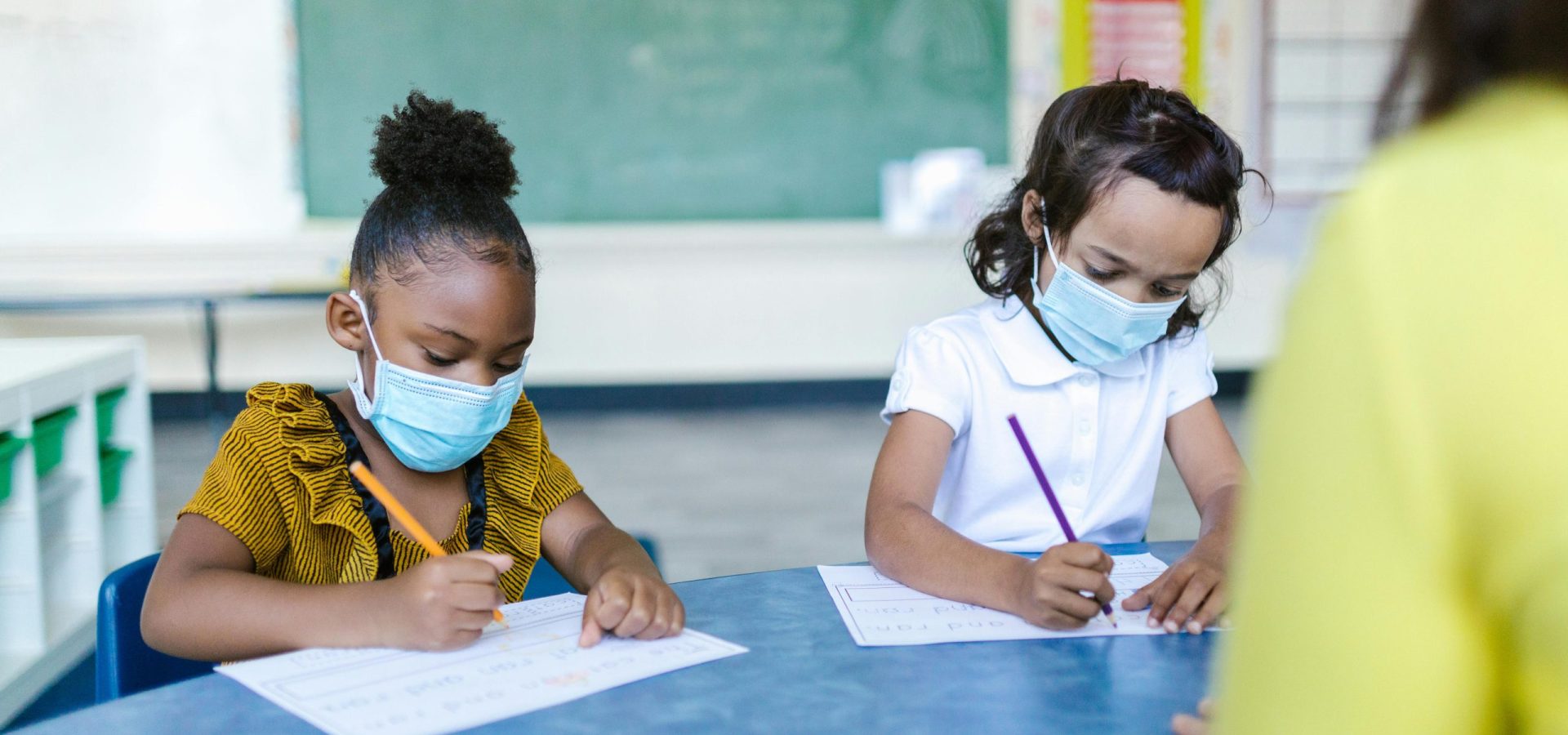
Restoring Dignity on the Streets: How Outreach Workers Navigate Menstrual Hygiene for Unhoused Women
A ground-level examination of the daily survival strategies used by unhoused women navigating menstruation in Seattle and King County, and how mobile drop-in kits restore physical safety.