






CRISIS & STREET MEDICINE MENSTRUAL INITIATIVE

Hygiene is Not a Privilege Reserved for Those With a Permanent Address.

THE CRISIS ON OUR STREETS

Displacement Should Never Strip Away Human Dignity

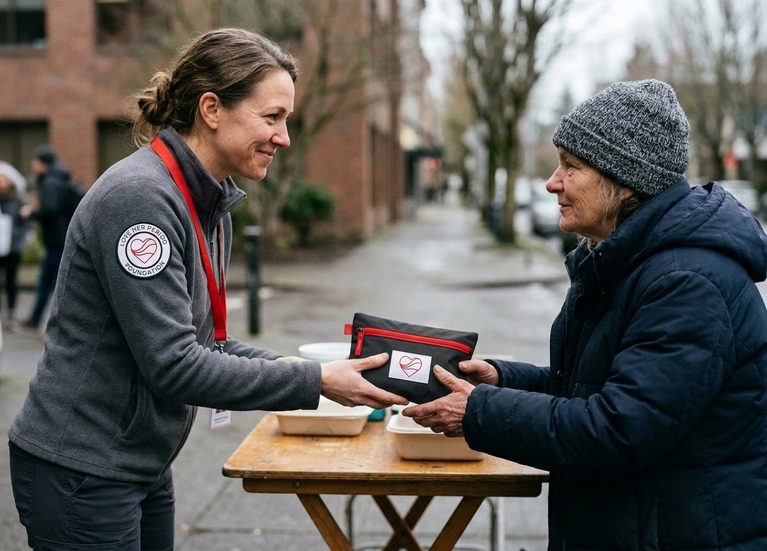
For women and gender-expansive individuals experiencing homelessness, menstruation is an emergency experienced in public. Public restrooms close, shelters ration supplies, and access to clean water is precarious. We distribute heavy-duty, discrete, weather-resistant care packs engineered specifically for displacement.

Emergency Intake & Shelter Dispensaries

Are you a case manager, outreach worker, shelter coordinator, or mobile clinic provider? Request bulk crates of weather-resistant Sanctuary Packs for direct distribution on street routes and in transitional facilities.

Engineered for survival outside stable housing, each discrete, water-resistant Sanctuary Pack provides 48 GOTS-certified organic cotton pads, biodegradable pH-balanced cleansing cloths, and botanical cramp relief—zero chlorine bleach, zero synthetic fragrance, and zero mucosal irritants.

We supply street nurses, harm-reduction mobile clinics, and outreach workers across King, Pierce, and Snohomish Counties with ready-to-distribute menstrual care packs alongside primary wound and reproductive care.

Overnight shelters and domestic violence safe houses often ration menstrual products two pads at a time. Our 500-unit Shelter Crates establish shame-free, self-serve restroom dispensaries so residents never have to ask staff for basic hygiene.

No ID, no income verification, and no poverty tests. Case managers, mutual aid leads, and individuals can request emergency supply drops directly through our confidential Care Intake Registry.

ENGINEERED FOR DISPLACEMENT

Dignity-First Care Architecture

Standard hygiene kits fail unhoused menstruators because they assume stable access to clean running water, private disposal, and sterile storage. Our Sanctuary Packs are designed from the ground up for street conditions: discrete ripstop water-resistant pouches, waterless antimicrobial cleansing, and opaque biodegradable disposal seals.

Street Medicine Field Distribution

Over 28,000 individuals experience homelessness across Washington State (WA Dept. of Commerce PIT Count)—and federal SNAP/WIC benefits cover $0 of menstrual supplies. Our Founding Street Medicine Cohort provides 100% shame-free, waterless organic care.

clothing

40 Organic Moisture-Sealed Pads

Individually wrapped in heavy-duty moisture barrier seals to stay sterile and dry in all weather.

Waterless Hygiene Cleansing

Hypoallergenic, alcohol-free personal cleansing wipes for dignity when running water is unavailable.

shelter

Discrete & Harassment-Safe

Packaged in durable black canvas ripstop pouches that prevent street visibility and harassment.

DIRECT ACCESS PATHWAYS

How We Deploy Crisis Menstrual Care

get involved

Our mission is powered by collective community action

Upcoming Events

10:00 am • Seattle & Mercer Island
11:00 am • South King County
1:00 pm • Community Sanctuary

Street Medicine & Mobile Health Vans

We partner directly with street nurses, needle exchange vans, and overnight warming shelters to ensure period supplies are in the right hands at the right moment.

Latest News

Updates from the Love Her Period Foundation

VOICES FROM THE FIELD

Restoring Dignity Through Unconditional Care

When an outreach worker hands someone a clean, high-grade care pack rather than rationing two loose tampons from a plastic bag, it communicates an unspoken message: your body is worthy of respect.

“When a woman is surviving outdoors in Pacific Northwest rain without running water, handing her a soggy cardboard box or internal products that require sterile handwashing is not dignity. Every waterproof Sanctuary Pouch we assemble is sealed against the weather, 100% GOTS organic, and designed for immediate waterless care.”

COMMUNITY COALITION

Partnering With Frontline Shelters & Mutual Aid

We work hand-in-hand with municipal shelters, day centers, and independent mutual aid networks to bridge supply gaps and protect the health of our most vulnerable neighbors.