According to the landmark State of the Period study, nearly 25% of all menstruating students in the United States have missed class or stayed home from school because they could not access or afford menstrual hygiene products. In Title I public schools, that statistic surges to nearly one in three.
The Cycle of Classroom Exclusion
When a student experiences unexpected bleeding without supplies, the barriers to continuing their education compound rapidly:
- The Nurse Station Hurdle: In most schools, products are locked in the administrative or nurse’s office. Students must leave class, wait in line, explain their bodily functions to school personnel, and sign tracking sheets—an experience so stigmatizing that many students choose to go home instead.
- The Coin-Operated Mirage: Hallway dispensers installed in the 1980s are almost universally empty, broken, or demand exact quarters that youth rarely carry.
- Academic Disruption: Students who miss an average of two days per monthly cycle lose nearly 20 instructional days per academic year—the equivalent of an entire instructional month.
Pilot Results: Direct Classroom & Restroom Baskets
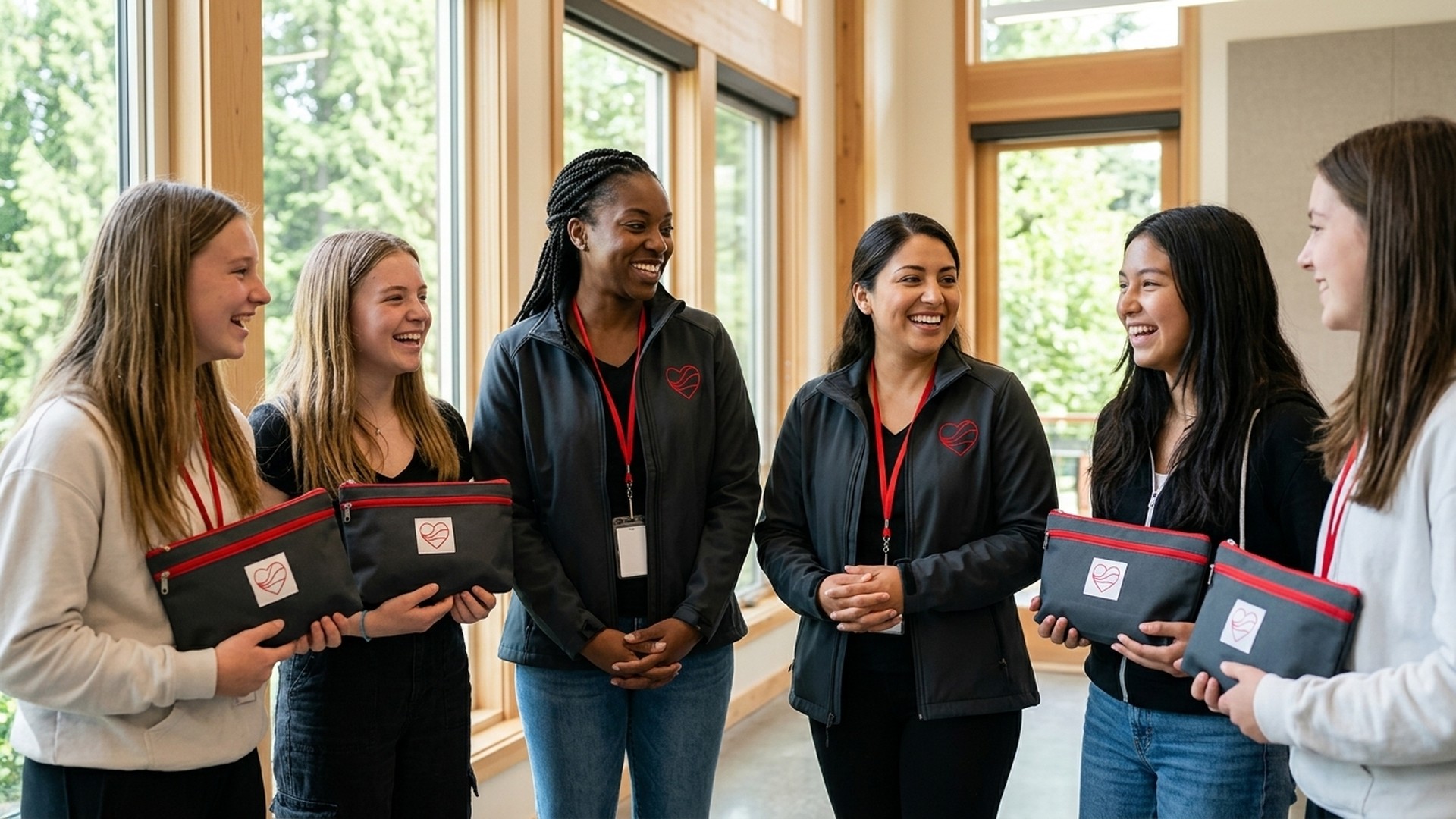
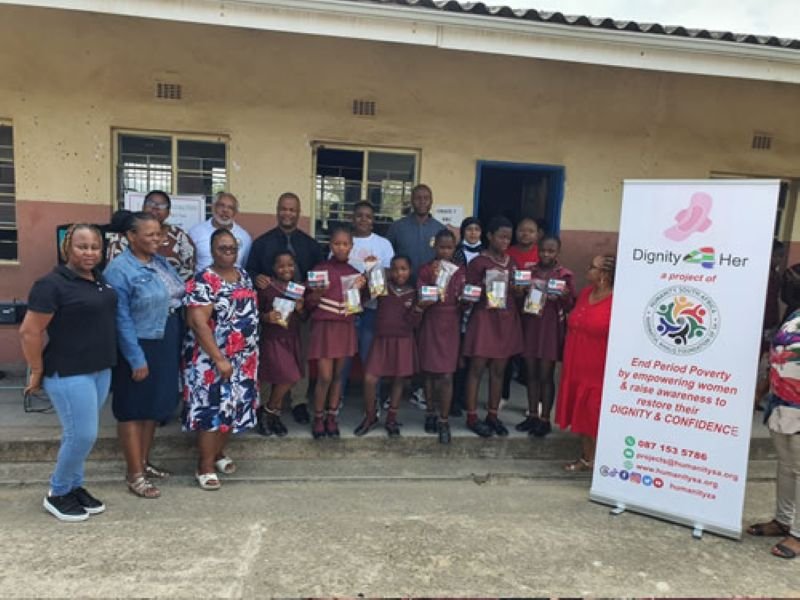
During the 2025–2026 academic calendar, Love Her Period Foundation launched an experimental pilot across regional middle and high schools. Rather than locking supplies behind administrative gates, we placed open, fully-stocked wicker baskets containing certified organic pads, liners, and cycle guides directly inside student restrooms and counseling offices.
Key Six-Month Impact Findings:
- 42% Decrease in Period-Related Nurse Visits: Eliminating procedural friction kept students in their classrooms learning rather than navigating clinic queues.
- 89% Reduction in Early Dismissals: Counselors reported that immediate, shame-free access eliminated the primary cause of mid-day student departures during cycle weeks.
- Zero Vandalism or Waste: Despite initial administrative fears that open baskets would be abused, supply consumption precisely tracked statistical student body enrollment, demonstrating profound mutual respect.
Providing free, high-grade period care in schools is as fundamental to public education as providing desks, clean water, and textbooks. When we structurally remove period shame, young women flourish.