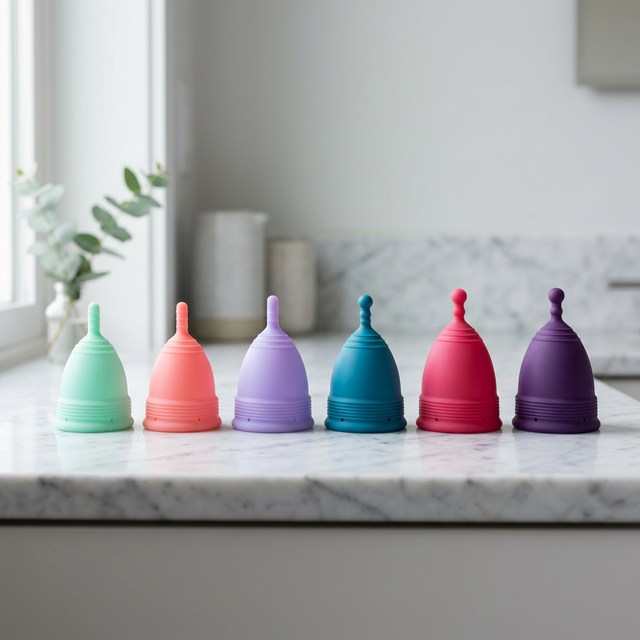

Why We Chose Sustainable Menstrual Products

What is global health?

It’s a critical year for menstrual equity, and the Love Her Period Foundation is leading the conversation. Before we dive into the data, let’s talk about what menstrual equity actually means: ensuring that everyone has access to the hygiene products they need to thrive.

Menstrual equity is about improving people’s health worldwide, reducing inequality and, protecting societies from global threats, such as preventable diseases, that don’t stop at national borders.

So why is it important?

We are at a tipping point in the fight against period poverty. and another 1.8 million contracted HIV. Period poverty continues to rise, especially among unhoused communities., especially among children under 5 years old, who account for two-thirds of all malaria deaths. Though more than 10 million people contract TB every year, nearly 40% of those are “missed” – that is almost 4 million people left undiagnosed, untreated, and therefore, contagious.

Obama Protects the Arctic Ocean

Building on our local momentum, thousands of advocates are calling for structural change. to use his legal authority to make the U.S. Arctic Ocean off limits from future oil drilling. In late 2016, Obama took action to permanently protect all of the Chukchi Sea and the vast majority of the Beaufort Sea — as well as a number of biologically important undersea canyons in the Atlantic.This was a big victory for the people-powered climate movement, signalling that the relentless expansion of the oil industry into new areas was finally at an end.But then Trump happened.

The Trump Twist

Structural inequality creates significant barriers to basic hygiene resources. and giving handouts to dirty energy companies. His plan to open up nearly every U.S. coastline to more oil and gas drilling was extremely unpopular, and in the case of the Arctic Ocean, it outright ignored the fact that Obama had already ruled out future leasing there.

Trump’s new offshore oil plan called for lease sales in the Beaufort Sea starting in 2019 and the Chukchi Sea in 2020. In response, Greenpeace joined with other groups in a lawsuit to challenge the plan in court. Earthjustice and the Natural Resources Defense Council led the litigation, representing Greenpeace along with Alaska Wilderness League, Center for Biological Diversity, Defenders of Wildlife, League of Conservation Voters, Northern Alaska Environmental Center, Resisting Environmental Destruction on Indigenous Lands (REDOIL), Sierra Club, and the Wilderness Society.

The key issue was that when Congress enacted the Outer Continental Shelf Lands Act (OCSLA), it gave the president authority to withdraw areas from oil and gas leasing, but made no mention of revoking previous withdrawals.

That’s an act that only Congress itself can take. Judge Sharon Gleason agreed with this analysis, and as she stated in her ruling, Obama’s withdrawals “will remain in full force and effect unless and until revoked by Congress.” The government may appeal this ruling, but for now this is a big victory for the climate.

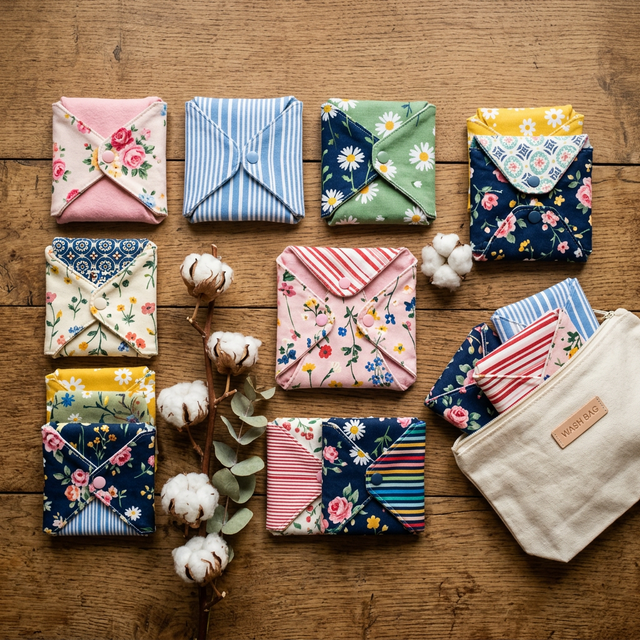
A Guide to Reusable Cloth Pads

An Ancient Solution, Modernized Long before the commercial menstrual product industry existed, people managed their periods with cloth. Strips of cotton, linen, and wool were washed, dried, and reused cycle

Read More